
ITSM
ITSM Automation That Resolves Tickets, Not Just Routes Them
ITSM automation that helps service desks cut ticket volume and resolve incidents faster. It runs inside the tooling your agents already use, so engineers stay on the work that needs them.
01 Challenges
ITSM Automation Challenges
Service desks hit the same problems. Ticket volume grows faster. Repetitive incidents consume senior engineers, and wikis nobody trusts hold the knowledge.
Ticket Volume Without Triage
A Knowledge Base Nobody Trusts
Fragmented Service Tooling
Repetitive L1 Requests
Escalations With No Clear Owner
Incidents Without a Written History
SLA Pressure at Peak
Agent Trust and Adoption
02 Solutions
ITSM Automation We Deliver
We deliver ticket triage and routing, automated resolution for repeatable incidents, and knowledge retrieval grounded in your own runbooks. Copilots draft responses in place.
Classification, priority scoring, and assignment on intake, trained on how your own team has actually routed work rather than on a generic taxonomy.
Get StartedA grounded assistant in the portal and in chat that resolves routine requests end to end, and opens a ticket with full context when it cannot.
Get StartedSuggested resolutions, similar past incidents, and a drafted reply in the agent console, with the source attached to every suggestion.
Get StartedDraft articles written from resolved tickets, gaps reported from what the assistant could not answer, and stale content flagged for review.
Get StartedTimelines, actions, and resolutions written into the record as an incident closes, so post-incident review starts from a written history.
Get StartedStatus updates drafted for each audience from the live incident record, so comms keep pace with the bridge instead of trailing it.
Get StartedChange requests scored against your own history of failed and rolled-back changes, with the contributing factors shown rather than a bare number.
Get StartedVolume forecasting, breach risk, and deflection measurement reported against your own baseline, not a vendor benchmark.
Get StartedThe services behind a service desk build
ITSM automation is usually triage, retrieval and a copilot working together. These are the teams behind each part.
Business Process Automation
We automate the repeatable parts of a process, from document intake to decisions and handoffs, with an exception path designed before the happy path.
Explore Business Process AutomationAI Consulting
A short discovery that identifies high-impact use cases, reviews your data and systems, and returns a phased roadmap with costs and risks attached.
Explore AI ConsultingAI Integration
We wire AI into the systems you already run, with identity, data, latency and failure behaviour designed before anything ships.
Explore AI IntegrationChatbot Development
Assistants that answer from your own content, hand off cleanly to a person, and log every conversation for review.
Explore Chatbot DevelopmentGenerative AI Consulting
A short engagement that finds where generative AI pays for itself in your business, and where it does not.
Explore Generative AI ConsultingGenerative AI Development
We design and integrate large language model features into your product, with retrieval, evaluation harnesses, and prompt governance in place before launch.
Explore Generative AI Development03 Why KoderTal
Why Choose Us for ITSM Automation?
ITSM buyers choose us because we automate inside the tooling agents already use rather than adding another console. Adoption is the whole problem in service management.
05 Case Studies
Our Recent ITSM Automation Projects
See how we have built and deployed assistants that changed how support teams handle volume
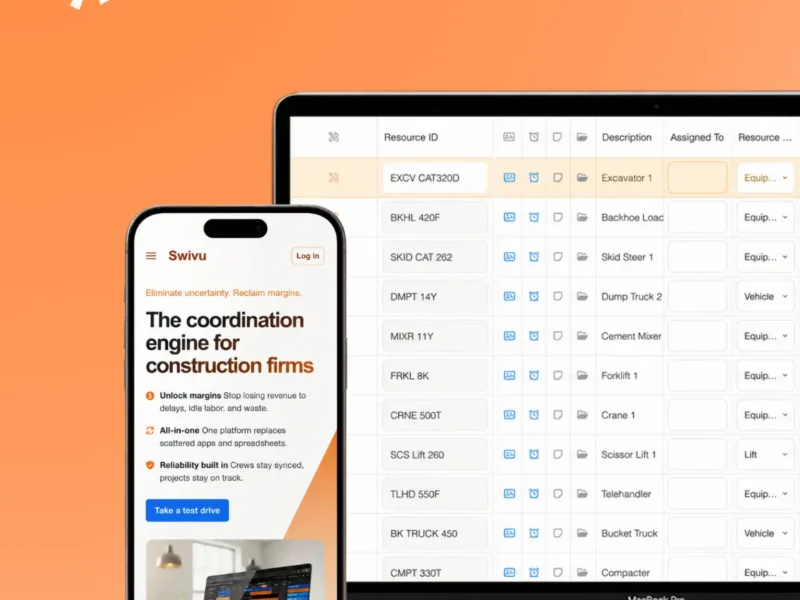
Construction Management
Real-Time Construction Coordination, From HQ to Field
A construction coordination platform for multi site work, replacing spreadsheets and scattered email with tasks, schedules and on site progress synced in real time.
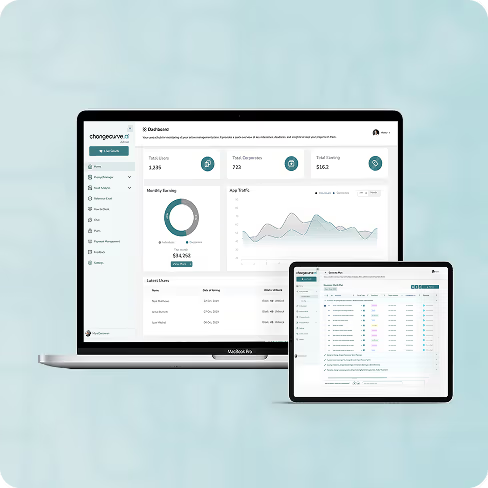
Change Management
AI-Powered Enterprise Change Management for Large-Scale Organizations
Enterprise change management software letting organisations execute, monitor and sustain change faster, with the progress of every initiative visible in one place.
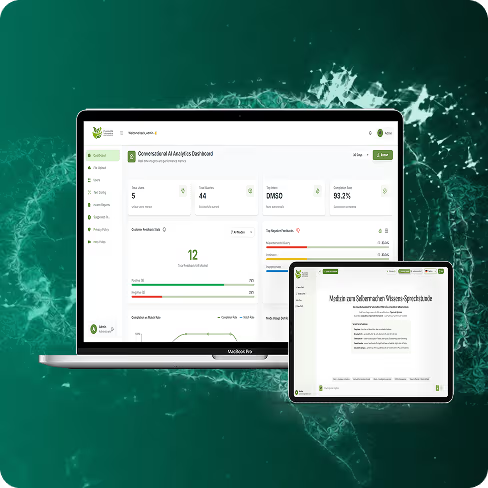
AI Automation
AI-Powered Content Automation Platform
An AI content engine that turns sales and strategy calls into ready-to-post content, matched to the brand's own voice and scheduled straight to LinkedIn.
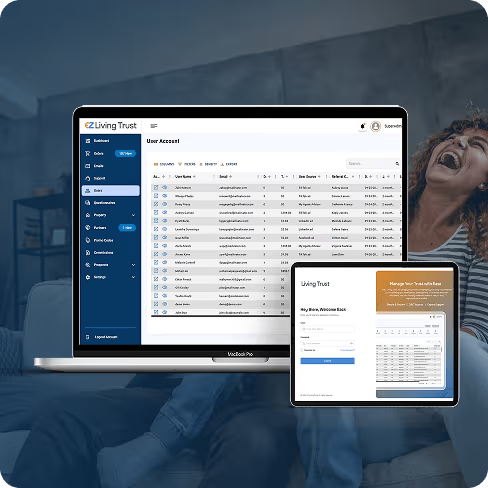
Legal & Estate Planning
Building a Secure, Multi-Portal Legal Platform
A digital estate planning platform running end to end across three portals, simplifying legal documentation and improving transparency for every party to a trust.
06 Process
Our ITSM Automation Process
An ITSM build runs in seven steps. Those run from requirements and roadmap through triage design, platform integration, testing and change approval, to deployment and tuning.
Get Your Roadmap-
You Are A SaaS Company Scaling Team
You need engineers who understand your product and users, not just isolated tickets. Dedicated teams reduce communication overhead while preserving product knowledge as you scale.
-
Deflection Strategy & Roadmap
We turn the shortlist into a phased plan with target deflection rates, timelines, and risk controls. The plan covers which requests are safe to automate end to end, which need an agent, and what has to be true before each step ships.
-
Triage Model Development
We build the classification, retrieval, and response layers, then evaluate them against tickets your team has already resolved. We set pass thresholds per category and iterate with weekly demos until behaviour is reliable on real volume.
-
ITSM Platform Integration
We connect to your service management platform, portal, and chat through scoped API access, with role-based permissions, audit logging, and rate limits. Integrations are staged and reversible so production queues are never at risk during rollout.
-
Testing & Change Approval
We test accuracy, edge cases, permission boundaries, and failure behaviour before anything reaches a user. Results go through your own change process with the documentation your approvers need, and we validate performance under peak load.
-
Pilot Queue Rollout
We go live on one queue with monitoring, alerting, and a rollback path held open. Your team sees deflection and accuracy against the agreed baseline before the second queue is switched on.
-
Tuning & Continual Improvement
We watch accuracy, cost, and deflection after launch, retrain routing as your service catalogue changes, and keep the knowledge pipeline drafting from new resolutions. You get documented systems and a named team behind them.
07 Tech Stack
The ITSM Automation Stack We Use
Proven tools and frameworks, chosen because they hold up under real service desk volume.
- OpenAI
- Claude
- Gemini
- Llama 3
- Mistral
- Falcon
- LangChain
- LlamaIndex
- Haystack
- DSPy
- LoRA
- PEFT
- Axolotl
- Unsloth
- Pinecone
- Weaviate
- pgvector
- Qdrant
- Chroma
- OpenAI API
- Anthropic API
- Vertex AI
- Bedrock
- LangSmith
- Langfuse
- Arize
- Helicone
- Guardrails AI
- NeMo Guardrails
- Presidio
- Streamlit
- Chainlit
- Next.js
- Vercel AI SDK
08 FAQ
FAQs
Quick answers to common ITSM automation questions before you start your build
ITSM automation reliably handles triage, routing and the repeatable incidents that consume most of a service desk's volume, such as access requests and password resets. Anything ambiguous is escalated with the context already attached, so an engineer picks up a ticket rather than an investigation.
In most cases yes. We integrate with ServiceNow, Jira Service Management, Freshservice, Zendesk, and similar platforms through their APIs, so your platform stays the system of record. Where an API is limited we work alongside it with an event queue rather than forcing a migration.
It depends on how much of your volume is genuinely repetitive and how good your knowledge sources are. We measure your own baseline during discovery and give you a range before you commit, rather than quoting an industry average that may not apply to your catalogue.
Answers are grounded in your own articles and resolved tickets, with the source shown. When retrieval finds nothing that supports an answer, the assistant hands off to an agent instead of guessing, and every gap is reported so the article can be written.
A first pilot queue is usually live within six to ten weeks, depending on integration access and how clean your knowledge sources are. You see accuracy and deflection numbers against the agreed baseline from the first week it is running.
09 Book a Call
Ready to Build with KoderTal's AI Experts?
Tell us what you are trying to automate or ship. We reply within one business day with a next step and the engineer who would run the work.
- 2451 West Grapevine Mills Circle , Grapevine, TX 76051 · USA , +1 (424) 304-1086 ,
- info@kodertal.com
- Reply within 1 business day, 24/7 support once live